

Decarbonization Roadmap
1. Strong governance system
Formalize a robust project governance system at each of the 79 group plants to coordinate development of the local plan, monitor the level of compliance with objectives and identify new opportunities for improvement.
2. Energy efficiency
Implement energy efficiency improvements in production processes and provide them with the digital equipment needed for adequate monitoring.
Energy Management System (EMS)
Initial implementation of this corporate system around the world to measure and monitor energy consumption in more detail and granularity. This system can identify additional opportunities to improve and replicate best practices.
3. Integration of alternative energies
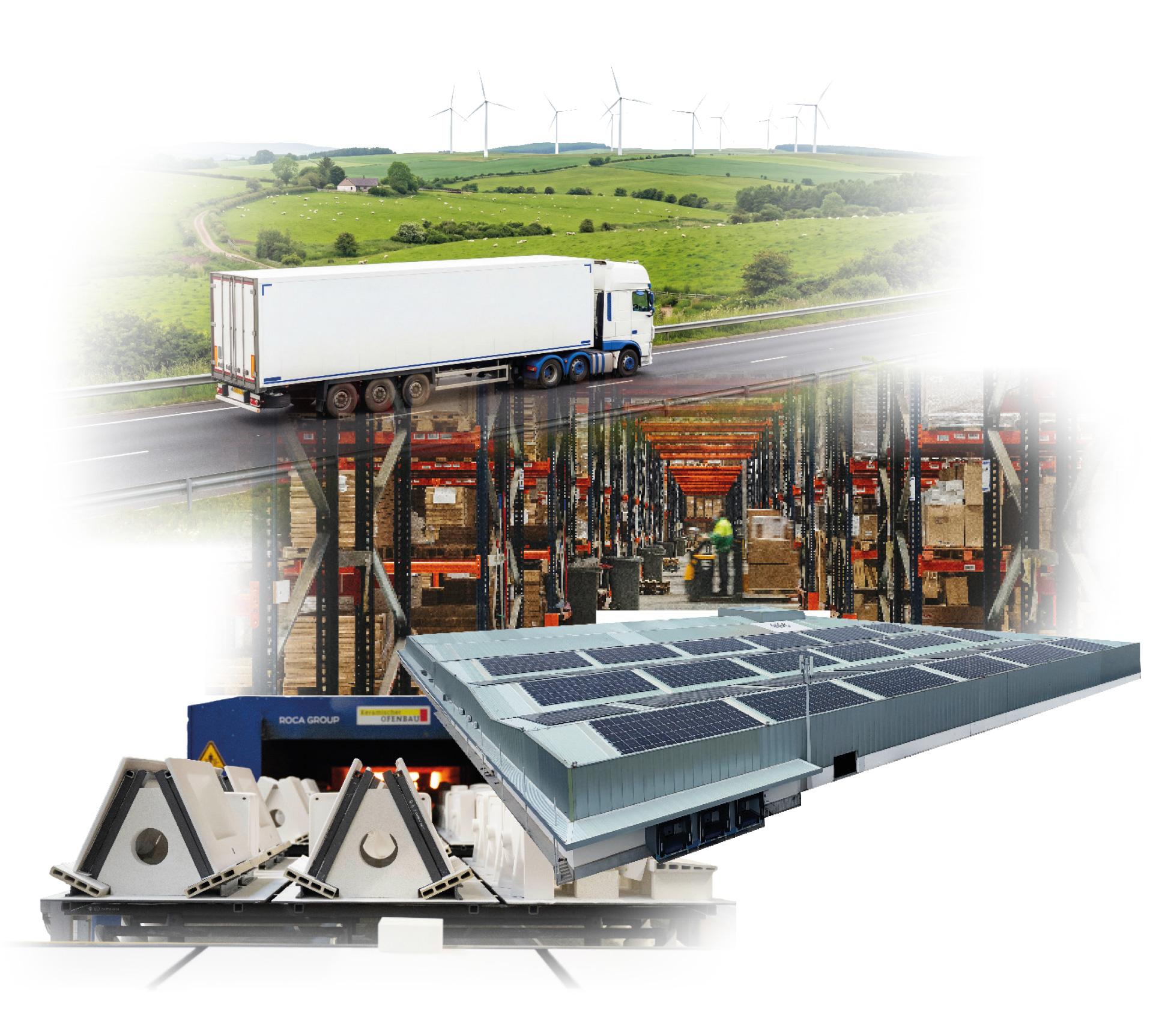
Replace high-carbon energy sources with green alternatives by electrifying processes and using less polluting fuels in high-temperature industrial processes.
Electric power from renewable sources
A long-term virtual power purchase agreement (PPA) for renewable energy came into effect in mid-2025, ensuring the supply of renewable electric power for the group’s industrial operations in Europe until 2035. This agreement is further complemented by the acquisition of certified green electricity in other countries.
69% of the group’s electricity supply comes from renewable sources
4. Commitment to renewables
Maximize the use of renewable energy based on photovoltaic self-consumption, purchase of green electricity from certified sources or long-term power purchase agreements (PPA).
Installation of photovoltaic panels
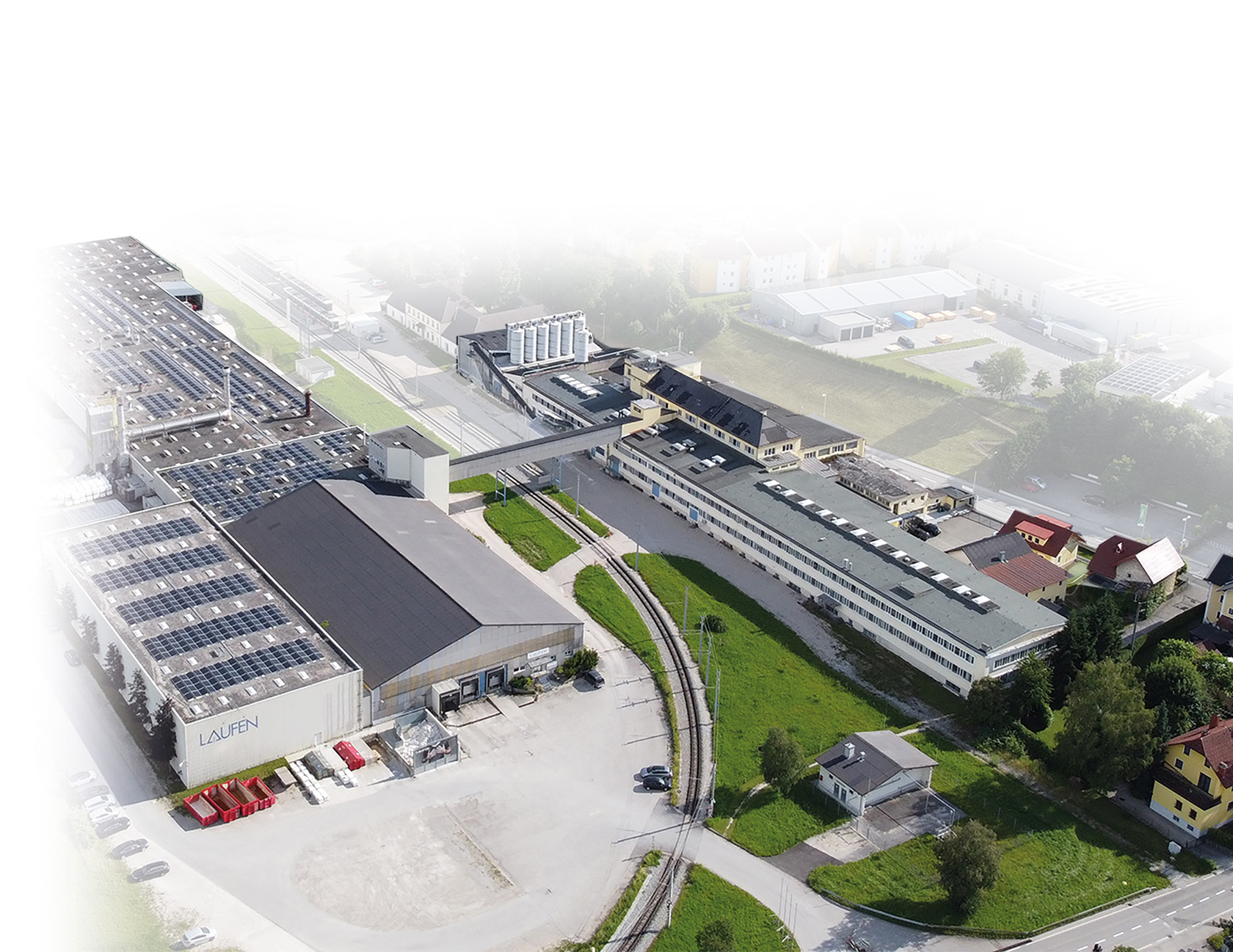
In 2025, a total of 4,500 new photovoltaic panels were installed at the group’s facilities which, together with existing equipment, generate nearly 24,000 MWh of clean electric power per year. The group already has more than 45,000 panels and 20.5 MWp in operation in its plants.
45.000 photovoltaic panels in operation
5. Supply chain engagement
Involve the entire value chain to align emission-reduction commitments. Based on this goal, suppliers with greater carbon footprint impact have been asked to share their emissions data for greater transparency and precision in emissions measurement.
Emissions reduction objectives validated by SBTi
The emissions reduction goals established in the Roca Group decarbonization roadmap have been analyzed and validated by the Science Based Targets initiative (SBTi), a global leader in this area.
In particular, Roca Group is committed to reducing absolute scope 1 and 2 greenhouse gas (GHG) emissions by 42% by 2030, taking 2021 as its baseline. Additionally, the group has also committed to reducing absolute scope 3 GHG emissions by 25% within the same timeframe.
By the end of 2025, the group had reduced its scope 1 and 2 emissions by 35% compared with the base year of 2021. Advances made during this period have achieved 83% of the short-term emission reduction goal validated by SBTi.
OBJECTIVES 2030*
* From a 2021 base year. The objective also includes biogenic emissions and removals associated with the use of bioenergy.
Scope 1: direct emissions generated by operations and equipment owned by the company.
Scope 2: indirect emissions associated with the use of energy purchased by the company.
Scope 3: indirect emissions from the company’s value chain activities.
Emission-free production of complete bathrooms
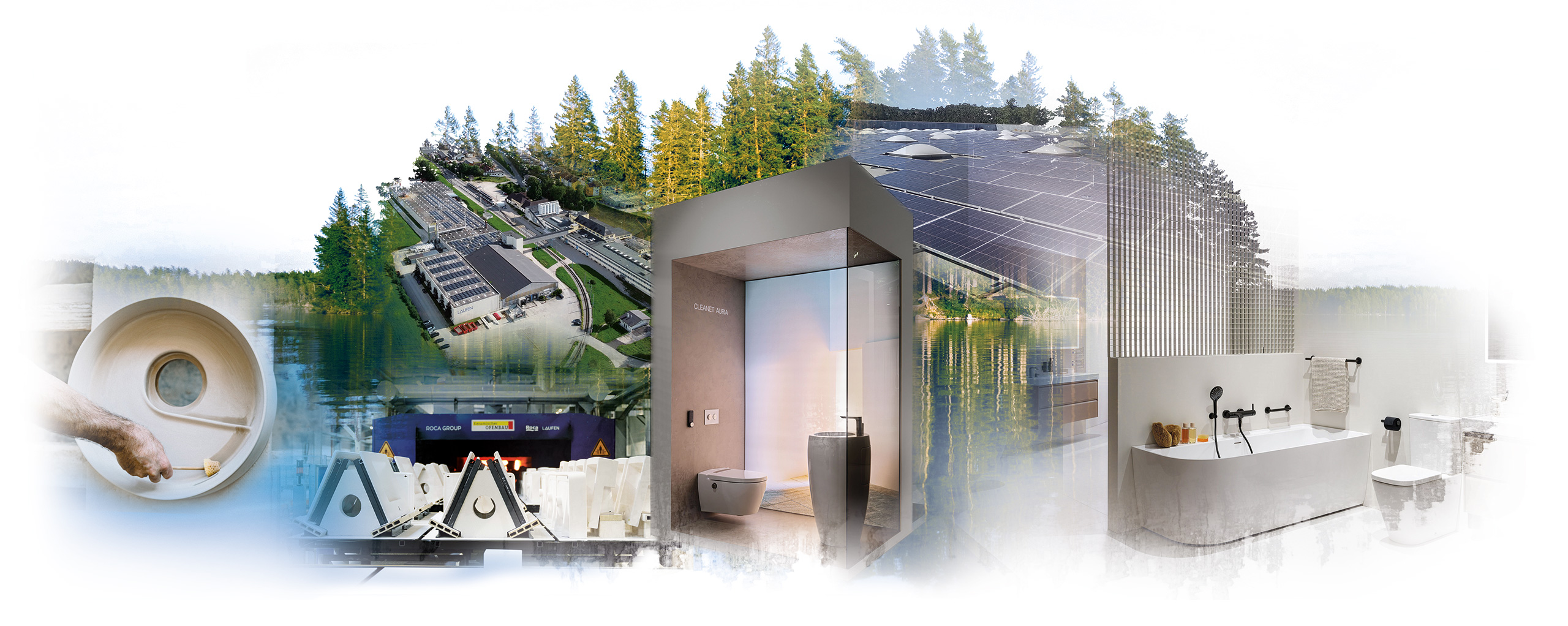
The group already operates nine emission-free factories for sanitary ceramics, seats and covers, faucets, bathtubs, shower trays and enclosures, thus establishing a new benchmark for the industry in this sector.
Recognition for leadership in industrial transformation
Roca Group has received several national and international awards, underscoring its sustainability strategy and leadership in the sector’s industrial transformation.
These awards highlight the pioneering nature of advances such as the world’s first electric kiln and the first emission-free sanitary ceramics plant. Likewise, they acknowledge the group’s capacity to integrate technological innovation, energy efficiency and decarbonization in its production processes.
These awards provide independent recognition of Roca Group’s long-standing commitment to an industrial model that is both competitive and more sustainable, and that responds to today’s major environmental challenges.

Environmental Management Award (EMAS) - Ministries of Environment in Germany and Austria (November 2025)
Recognition awarded for the best measure taken in environmental performance for the world’s first electric kiln for the production of sanitary ceramics.

Climate Protection Award - TRIGOS (October 2025, Austria)
Award for an exemplary contribution to industrial sustainability, particularly for the integration of technological innovation and environmental responsibility in production processes.

Best Practice in Social Responsibility and Sustainability in the Large Company category - XVI Corresponsables Awards (October 2025, Spain)
Award given to the group for the world’s first emission-free sanitary ceramics plant.

Overall Sustainability Award - Bathroom Association (September 2025, United Kingdom)
Overall winner in technological innovation in the ceramics industry as a global leader in sustainability and energy efficiency.
.

Sustainable Development Award - Foment del Treball (December 2024, Spain)
Award recognizing Roca’s long-standing commitment to sustainability and the commissioning of the world’s first electric kiln.

Best Business Practice Award – Clúster de l'Energia Eficient de Catalunya (June 2024, Spain)
Recognition of leadership in energy transition due to outstanding contributions to industrial decarbonization.
.

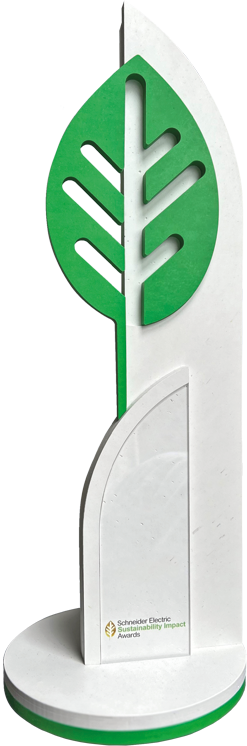
Sustainability Impact Award in the Large Company category - Schneider Electric (2025)
European award for commitment to reducing the environmental footprint and leadership in industrial decarbonization.
.
Highest-ranked manufacturer of bathroom products in the Europe’s Climate Leaders ranking by Financial Times and Statista
Acknowledgment of leadership in climate action due to decarbonization advances based on measurable and verified data on emissions reduction during the past five years.
.
A circular economy-based production model
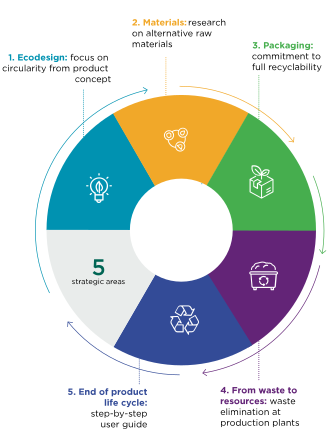
One of the group’s main pillars for the transformation of its production model is the development of the Circularity Roadmap. This initiative supports the transition from a traditional linear model of materials management to circular cycles that make better use of resources and reduce waste generation. This roadmap is based on five strategic areas.
Waste reduction and repurposing
Roca Group continues its efforts to optimize its production processes and thus minimize waste generation and promote reuse and repurposing, whether at its own plants or at partner firms.
Despite the increase in the number of factories across the group, the indicators in this area continue to show positive trends. In 2025, non-recoverable waste fell by 25%, driven by lower waste generation, (-2%) and improved waste valorization (+4.6%).
* Compared with 2018. Due to the variety of the group’s product types and production processes, the waste intensity of its operations is calculated by dividing the total volume of waste generated by net sales.
Roadmap to water neutrality
The group is also developing an action plan to move towards water neutrality, based on the 6R strategy: Reduce, Reuse, Recycle, Recover, Reclaim and Replenish.
This plan involves all group plants and drives process improvements, digitalization and use of new water conservation technologies. Implementation has led to continuous reductions in consumption, particularly at plants located in areas of extreme water stress. The main measures taken include:
- Implementation of systems for reuse of treated water from internal water treatment plants
- Use of rainwater collection and storage systems
- Application of comprehensive water recovery systems used in production processes, based on filtering, evaporation and crystallization technologies
* Compared with 2018. Due to the variety of the group’s product types and production processes, the water intensity of its operations is calculated by dividing total fresh water consumption by net sales.


The bathroom as a space for well-being and sustainability

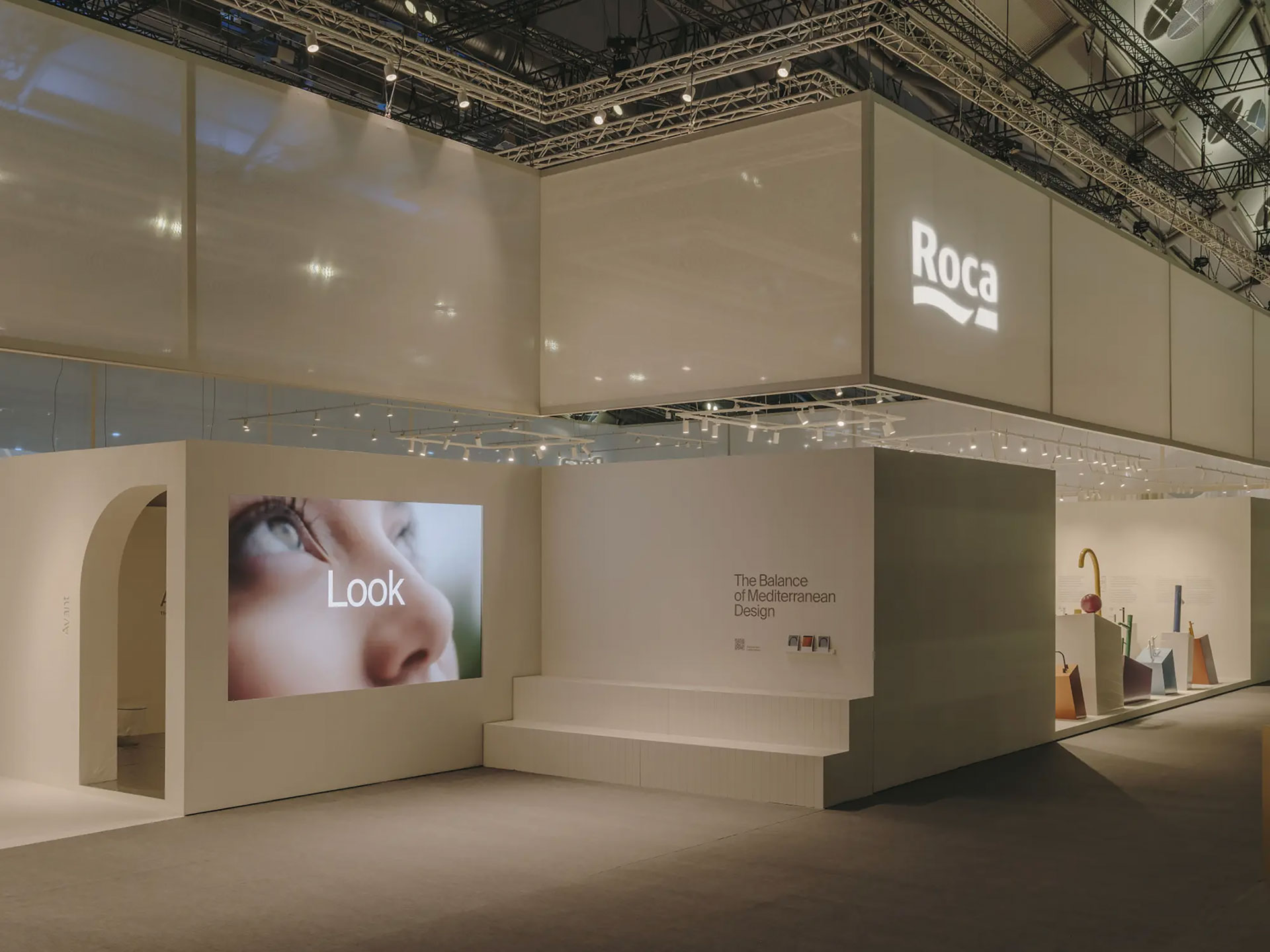
Roca, Mediterranean essence
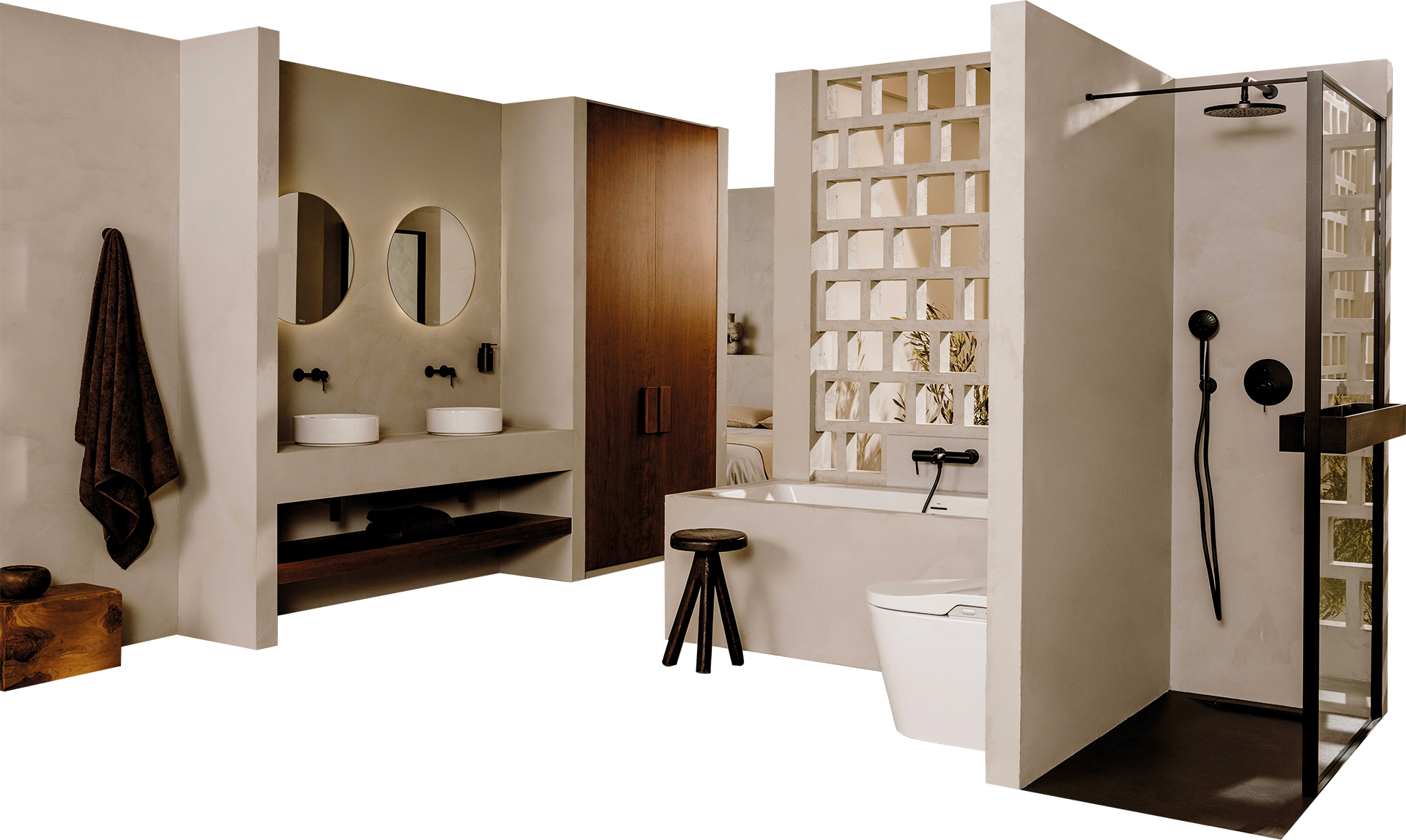
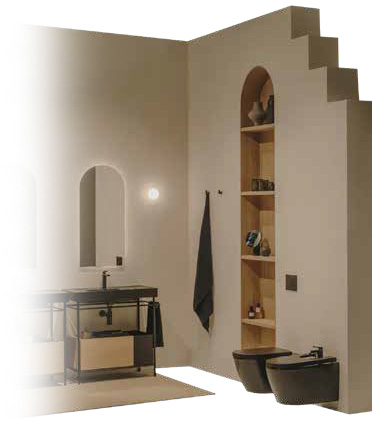
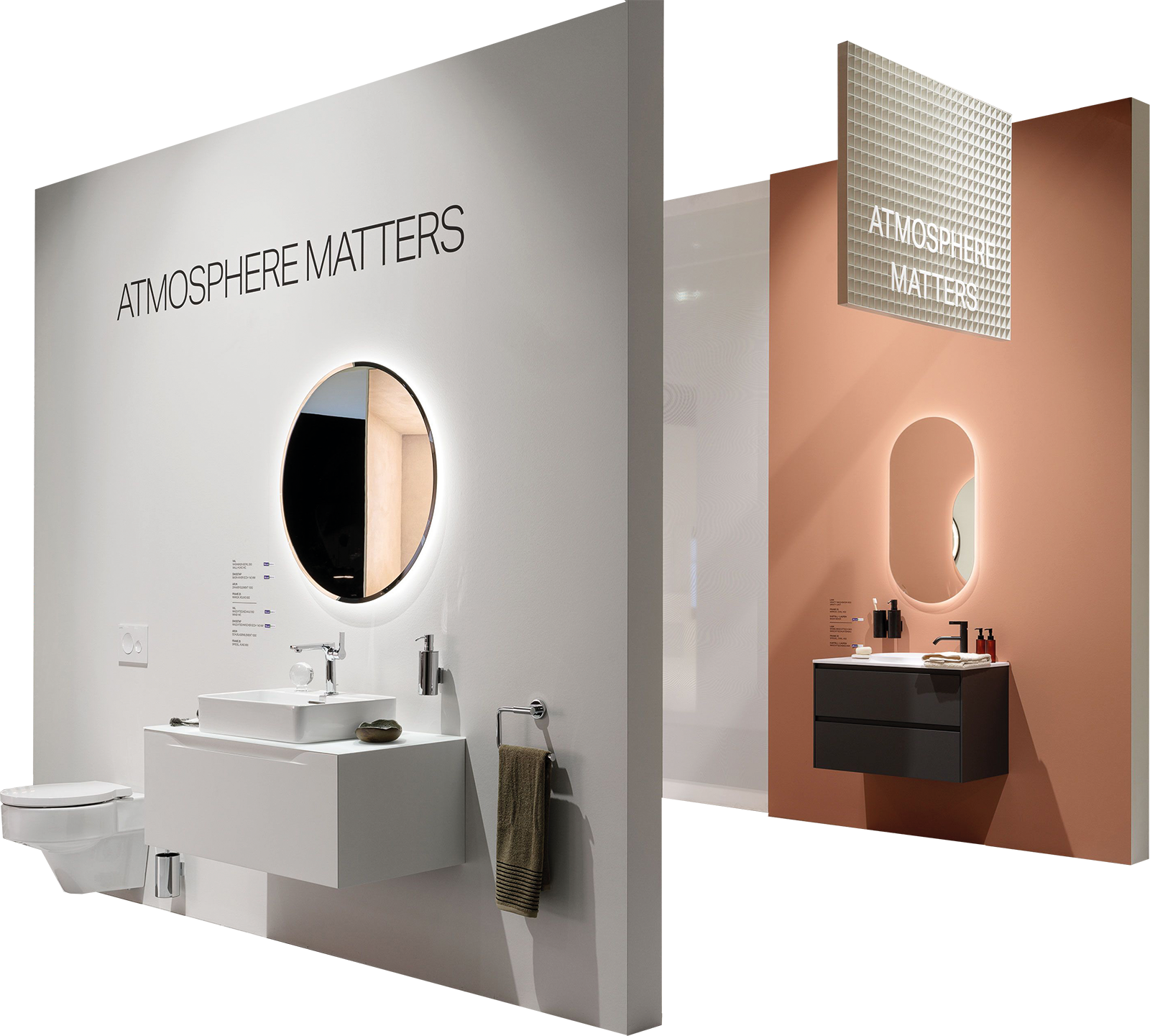
The brand offered pavilion visitors an immersive and inspiring experience, with a design based on the purity of materials, environmental awareness and timeless architectural discourse. The products and solutions shown stood out due to their modularity, connectivity and advanced installation systems, in addition to collaborations with prestigious designers.
“Matter”, a creative concept from LAUFEN
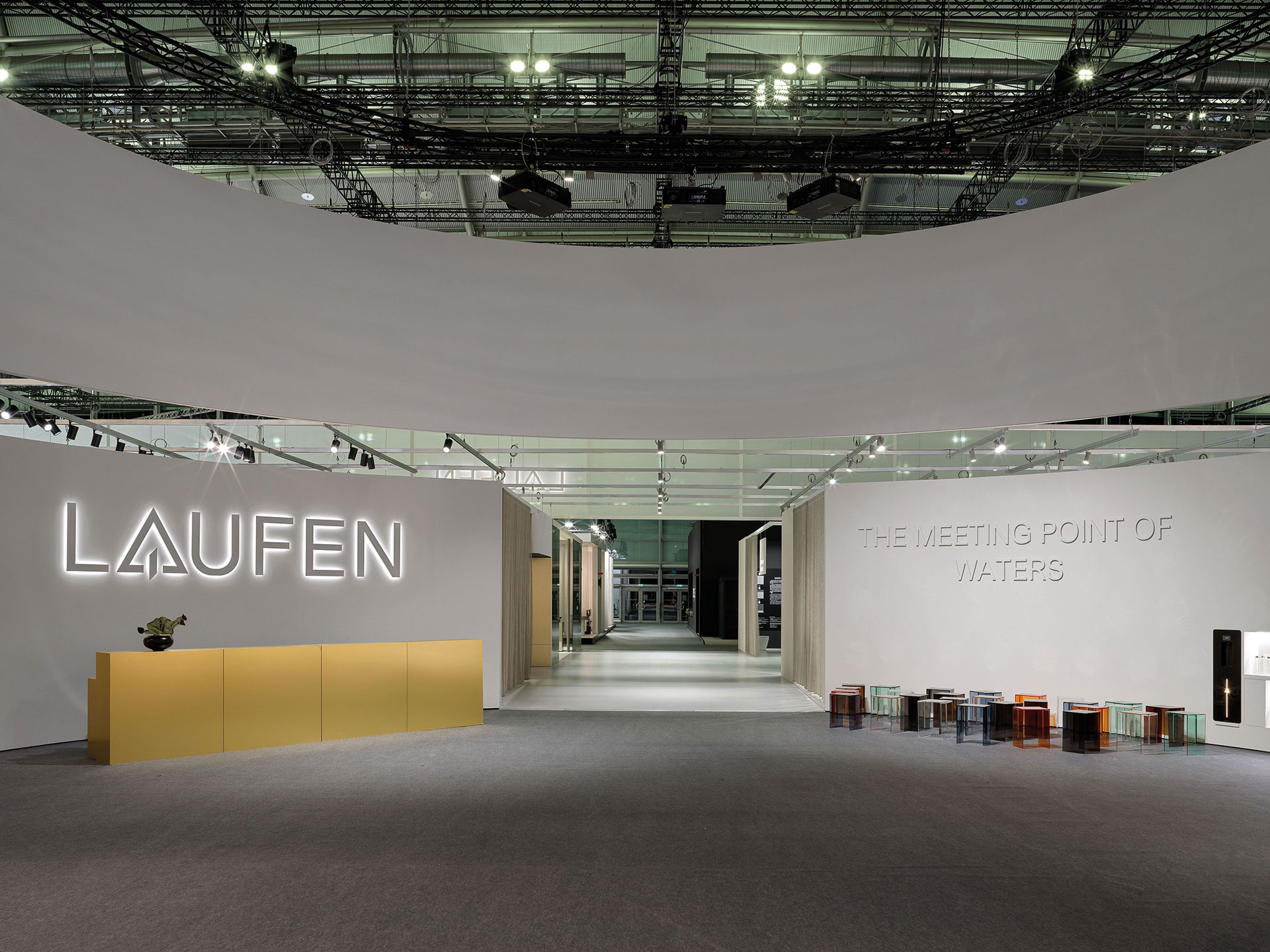
LAUFEN’s space at ISH 2025 was styled around the concept of “Matter”, playing with the double meaning of “matter” and “what matters”. The exhibit suggested a thematic journey through various areas focusing on water, the planet, technology, democratic design, the environment and modularity. These concepts were developed from the brand’s proposals and innovations.

Milan Design Week
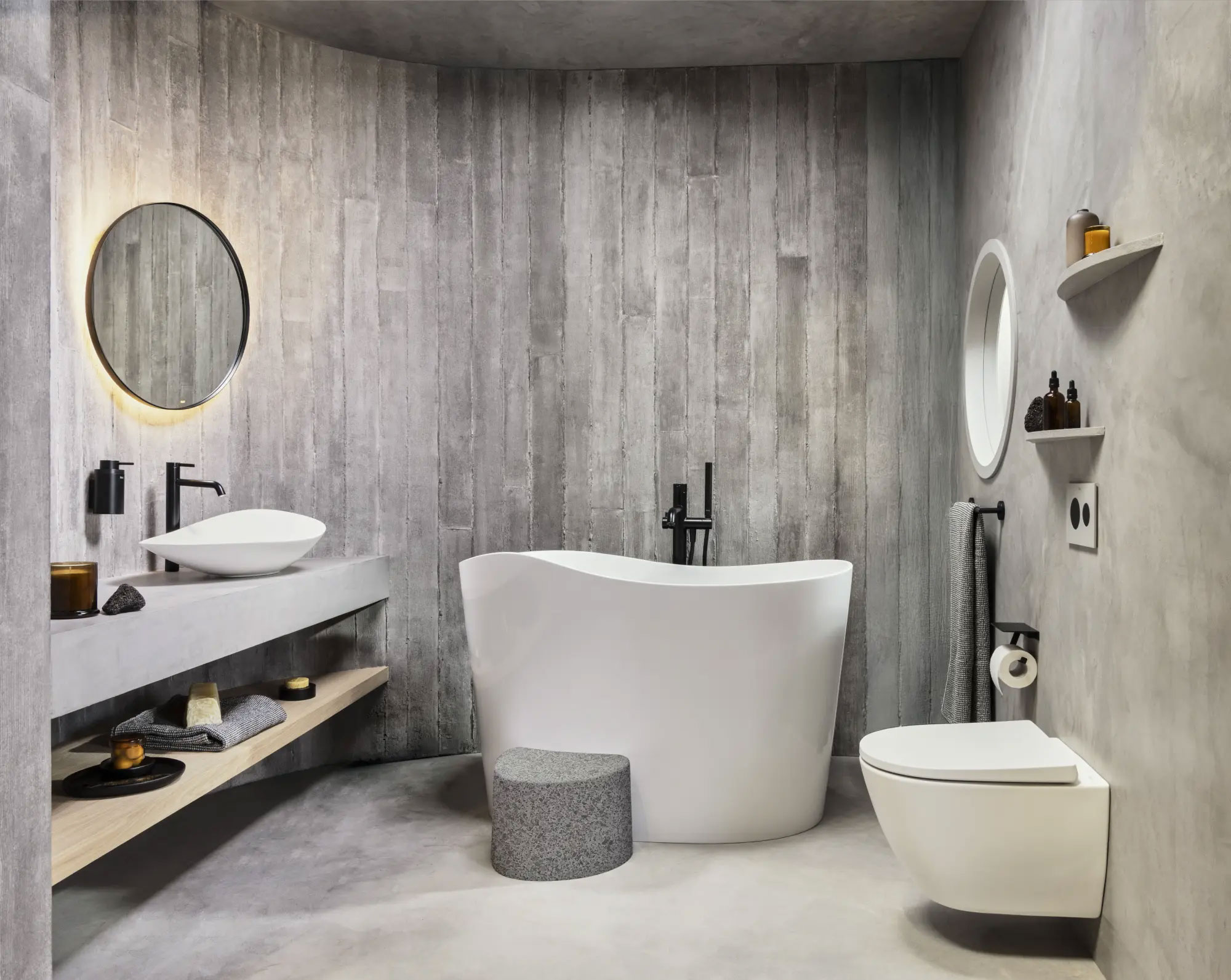
Other trade shows and fairs held during the year included Milan Design Week, an opportunity to showcase the essence of each brand from an artistic and creative vision. LAUFEN presented the “A New Dimension of Water” exhibition, drawing its inspiration from the flow of water and the electric kiln in Gmunden, whereas Roca featured the “A Beat of Water” installation, which explored the course of water through nature, architecture and technology.
Innovative solutions to outfit the bathroom space
Ohtake from Roca
Kay from Roca
Vitreon Steel from LAUFEN
Volta from LAUFEN
Specialization in prefabricated bathrooms
The group is advancing modular construction through the manufacture of prefabricated bathrooms (PODs), a solution that meets the challenges of the construction industry in areas such as planning, deadline flexibility, cost control and sustainability. At present, Roca Group has two facilities specializing in bathroom POD production located in Anadia (Portugal) and Calcinato (Italy), where the group applies all its equipment and installation know-how to the bathroom space.